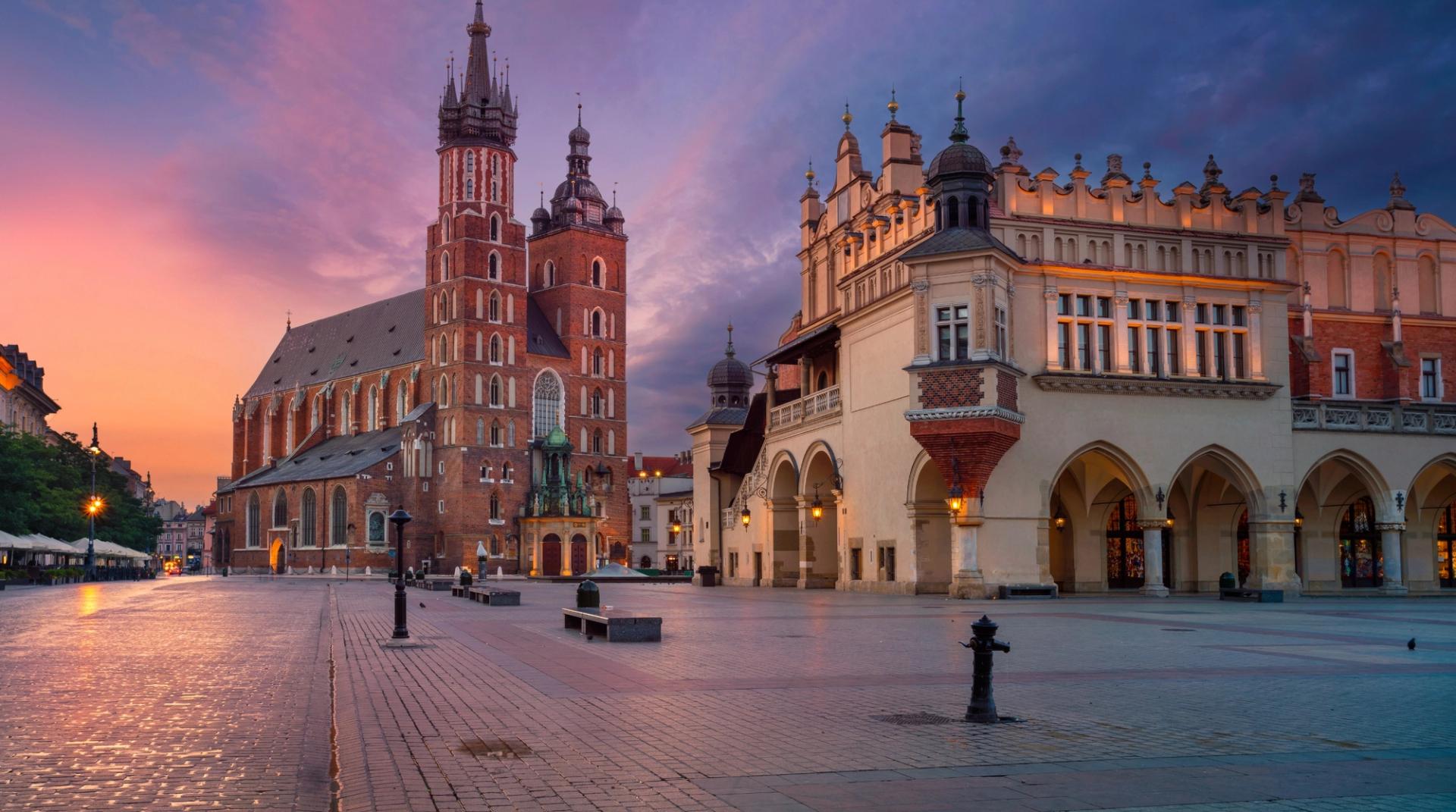
In May 2026, Poland held another Museum Night: on 15 May in Kraków, and on 16 May in Warsaw and Poznań. Hundreds of venues in these and dozens of other cities opened their doors for free, from early evening until late at night. Warsaw's Academy of Fine Arts (ASP) welcomed visitors at three locations, on Krakowskie Przedmieście, Wybrzeże Kościuszkowskie and Myśliwiecka Street, with exhibitions, workshops and meetings with artists. In Poznań, more than 80 venues joined the programme. Many of these events also ran thanks to people who came to help for free. Someone greeted visitors at the entrance. Someone set up the lights and sound. Someone translated exhibition descriptions into English. Someone made sure the children at the workshops didn't cut themselves with scissors.
Free cultural events in Poland, from festivals and museum nights to neighbourhood workshops and concerts in parks, exist largely thanks to volunteers. Pol'and'Rock Festival in Czaplinek, one of the largest free festivals in Europe, has for years relied on the Pokojowy Patrol (Peace Patrol), the volunteers who look after safety and order on the festival grounds. This article is about how volunteering in culture works, what it gives volunteers and what it gives the city.
What volunteers do at cultural events
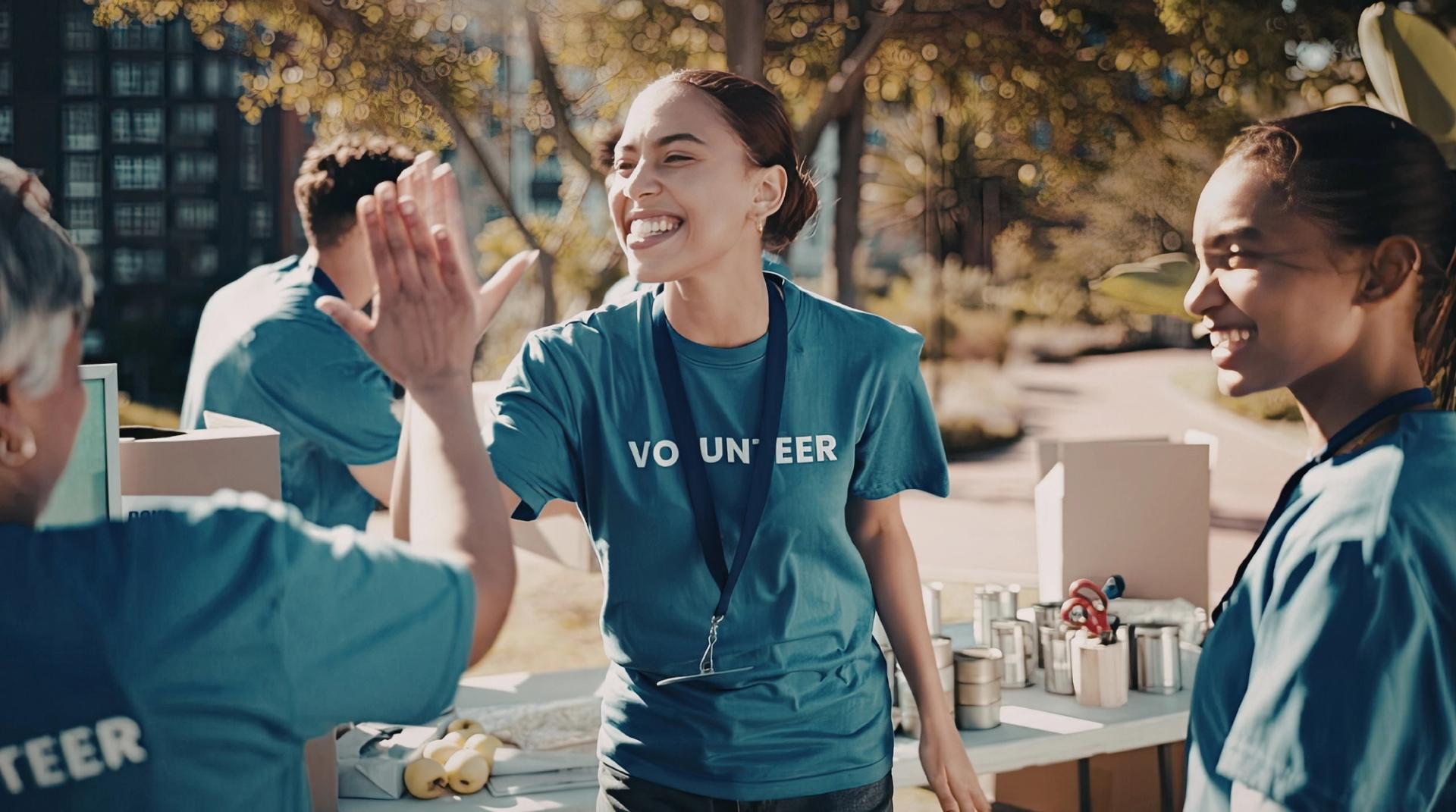
When people hear "festival volunteer", they picture someone in a bright t-shirt standing at the entrance and handing out programmes. That is part of the job, but a small part.
In practice, volunteers at cultural events take on dozens of roles. At the National Museum in Warsaw, volunteers have been welcoming guests and helping them find their way around the building for more than ten years. Carnaval Sztukmistrzów in Lublin, a street and circus arts festival where most of the programme is free, regularly recruits volunteers, including for a media team that covers the festival. At neighbourhood workshops in local culture centres, a volunteer can assist the instructor: prepare materials, help participants, tidy up after the class.
In Pomiechówek, near Nowy Dwór Mazowiecki, the municipal culture centre (Gminny Ośrodek Kultury) hosts European Solidarity Corps volunteers. A project for 2024–2025 planned for two people from abroad to spend almost a year there: running intercultural and language workshops at the centre and in schools, hosting a language café and helping at the Artbazar art fair. For a small municipality, this is a way to offer residents something the local culture centre has neither the budget nor the staff for.
There are less obvious roles too. OpenCulture publishes events in Polish, English and Ukrainian, and at events with a multilingual audience a volunteer translator makes the programme understandable to people who don't speak Polish. IOM Poland runs intercultural singing workshops in Warsaw. At gatherings like these, every pair of hands helps: someone prepares the room, greets participants and helps people from different countries feel at ease.
What's happening in Europe: Capitals of Culture 2026
In 2026, two cities hold the title of European Capital of Culture: Trenčín in Slovakia and Oulu in Finland. Both have built large volunteer programmes around the year.
Trenčín's volunteer programme covers work on event production, community meetings and collecting feedback. In May 2025, during Volunteering Week, the city promoted it with the slogan "Malé činy, veľký dopad", or "Small deeds, big impact". The organisers write that volunteering is a chance to see what happens behind the scenes of cultural events, develop skills, meet new people and co-create public space. The programme is open to anyone who wants to give their time and energy. Every new volunteer completes the DOBROtraining session and signs a volunteer agreement.
Oulu went further and in January 2026 launched Culture Companion. The idea: a volunteer comes to an event together with another person. Not as a guide, not as an organiser, but as company. The programme is for people who don't want to go to a cultural event alone, because they feel awkward, because they don't know the city, because they have no one to go with. Culture Companion lowers that barrier. It runs in nine municipalities in the Oulu region, it is open to anyone aged 18 or over, and participants pay only for their own ticket. All volunteers have been interviewed and trained.
The Oulu2026 organisers write that the programme promotes cultural wellbeing, inclusion and social accessibility. The point is for cultural events to belong to everyone, not only to those who already attend them.
For Poland and OpenCulture, this experience matters for two reasons. First, the Culture Companion model could work in Warsaw, Kraków and Poznań: many people in these cities skip free events because they have no one to go with. Second, Trenčín and Oulu show that volunteer programmes in culture can be built as a system, with recruitment, training and an agreement, rather than on a "whoever turns up will help" basis.
What a volunteer day looks like
A typical volunteer day at a festival starts an hour or two before the doors open. You arrive, get a badge and a t-shirt, learn the site layout and your task for the day. The task can be fixed, such as a shift at the information point, or flexible: you help wherever you are needed. At Museum Night a shift usually lasts a few hours; at one-day festivals it is the whole day, with breaks. At smaller events, like a neighbourhood workshop or a concert in the park, two or three hours are enough. Organisers often provide a meal or a food voucher. You meet other volunteers and the organisers. Volunteering with the European Solidarity Corps is a different scale: you live in a new place for months, run your own activities and become part of the culture centre's team.
What the volunteer gets
Volunteering at cultural events gives you things that are hard to get any other way.
Event organisation skills. In two days at a festival, a volunteer learns how the logistics of an event for a few hundred people work: stage, sound, audience flow, schedule, emergencies. These skills are useful at work later: in event organisation, marketing, project management.
Language practice. At events where you hear three languages (Polish, English and Ukrainian), a volunteer practises a language in real situations. For someone learning Polish, a day at a festival can be worth more than several lessons, because the language serves concrete tasks: giving directions, translating a description, answering a visitor's question.
Social connections. Volunteer teams bring together people from different neighbourhoods, age groups and countries. Friendships made on a festival shift can outlast the festival itself.
A sense of co-creation. A spectator comes to a festival, watches and leaves. A volunteer is a co-author. They see how an event is built from scratch and how decisions get made, and they talk to organisers and artists. That changes your relationship with the city and with culture.
For young people: a line on the CV and real experience. European Solidarity Corps volunteers receive a Youthpass certificate that describes the skills they gained. Some universities let students count volunteering towards their internship requirement, so it is worth asking at the dean's office. In 2023, the Art Transparent Foundation from Wrocław, together with the Hungarian organisation Pro Progressione, ran a course for 20 young leaders from Poland and Hungary: two series of workshops, in Wrocław and in Budapest, of about 30 hours each. Participants learned how to include refugees, children and young people from excluded communities, older people, and people with visual or hearing impairments in cultural life.
What the city gets
For a city, volunteers are a resource without which many free events would not happen.
Budget savings. Museum Night in Warsaw, Poznań or Kraków needs hundreds of extra people for a single night. Hiring all of them would be very expensive. Volunteers allow museums and cultural institutions to run large free events without going over budget.
Social cohesion. Events with volunteers bring together people from different parts of the city and different backgrounds. According to a 2024 survey by the National Bank of Poland (NBP), 78% of adult Ukrainian citizens living in Poland are employed. But having a job doesn't mean someone feels part of the city. Volunteering works at exactly this level: people from different countries and backgrounds work side by side on a shared task.
A culture of participation. When residents don't just come to events as spectators but also help organise them, their relationship with urban space changes. From 2014, Kraków ran the Active Citizens programme together with the British Council: workshops for organisations and informal groups that want to act for their neighbourhood. Someone who has organised an event on their own estate looks at their street differently from someone who just walks past.
Accessible events. The Culture Companion model from Oulu answers a problem that OpenCulture puts at the centre of its mission: culture should be accessible to everyone, regardless of age, income and background. A companion volunteer takes someone by the hand and brings them to an event. For older people, migrants or people with disabilities, this can be the only way to get to a free concert or exhibition.
How to become a volunteer
If you want to try volunteering at cultural events in Poland, there are several ways in.
Culture centres and libraries. Contact the culture centre in your neighbourhood. Many of them look for event volunteers but don't post ads online. Call or drop by in person.
The OpenCulture calendar. Browse free events on Open Culture or in our partner app GoJammin. If an event interests you, write to the organiser and offer to help.
European Solidarity Corps. An EU programme for people aged 18–30. Long-term volunteering lasts from 2 to 12 months, including at cultural institutions in Poland. The programme covers travel, accommodation, food and insurance, and adds pocket money, language learning support and a Youthpass certificate. You can find projects at European Solidarity Corps.
Museums and festivals. The National Museum in Warsaw has a permanent volunteer programme. Festivals look for volunteers too, for example the Science Festival in Warsaw (recruitment is run by the University of Warsaw) or Carnaval Sztukmistrzów in Lublin. Follow the websites and social media of the institutions you like: calls for volunteers usually go out before big events.
Facebook groups. Every big city has groups that post announcements of free events. If you see an event you like, write to the organiser: help is often needed, but nobody writes a separate post about it.
For organisers. If you run free events and need volunteers, submit your event and add to the description that you're looking for help. After review, OpenCulture will show it to Polish-, English- and Ukrainian-speaking audiences. Keep in mind: volunteers work for free, but they need structure. Clear tasks, a predictable schedule, a contact person who can brief them. In Trenčín every new volunteer completes a training and signs an agreement; in Oulu all volunteers are interviewed and trained. A start like that makes the cooperation predictable for both sides.
Wrapping up
Behind every free event are people who give their time. Museum Night works because someone came to greet visitors. A neighbourhood festival works because someone set up the sound and put out the chairs. A language café works because someone prepared the room and welcomed people at the door. Trenčín and Oulu, the European Capitals of Culture 2026, show that volunteering in culture can be a system rather than random help, and that these models can be brought to Warsaw, Kraków and Poznań. If you want to join in, start with the culture centre in your neighbourhood or with a free event from the OpenCulture calendar. Write to the organiser. Say you're ready to help.